October Monster Mash: Mr. Hyde – Hammer’s Handsome Horror
A Classic Monster Reimagined
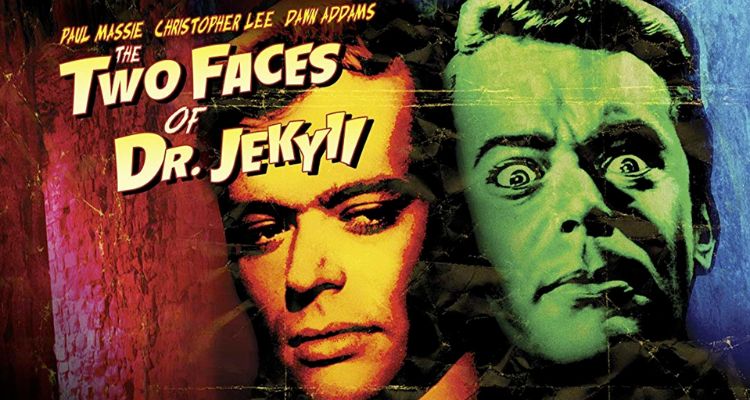
The tale of Dr. Jekyll and Mr. Hyde has haunted readers and audiences since Robert Louis Stevenson first published it in 1886. Over the decades, countless stage and screen adaptations explored the duality of man—the battle between reason and depravity within the human soul. By the late 1950s, horror cinema was thriving, and Britain’s Hammer Films was reinventing classic monsters for a new generation. In 1960, Hammer released The Two Faces of Dr. Jekyll, giving audiences a new spin on the legendary tale and a strikingly different Mr. Hyde.
Hammer Horror Takes the Reins
Hammer Studios was already famous for revitalizing Dracula and Frankenstein with bold color, Gothic style, and sensuality. Their take on Jekyll and Hyde was no exception. Directed by Terence Fisher, The Two Faces of Dr. Jekyll leaned into psychological drama while still embracing Hammer’s trademark mix of lavish sets and shocking violence.
Instead of portraying Hyde as a monstrous brute, Hammer flipped the script. In this version, Dr. Jekyll (Paul Massie) is the repressed, unattractive intellectual, while Mr. Hyde emerges as a handsome, charismatic, and dangerously charming version of himself. The transformation wasn’t from man to beast—it was from meek scholar to seductive sociopath.
The Look of Hyde
Unlike earlier adaptations where Hyde was depicted as deformed or animalistic, Hammer’s Hyde was sleek, refined, and alluring. With smooth features and an elegant demeanor, he lured victims through charm rather than fright. This made him more insidious, highlighting the idea that evil can be enticing rather than repulsive.
Paul Massie’s dual performance showcased this contrast. As Jekyll, he was timid and overlooked; as Hyde, he was magnetic, confident, and cruel. This inversion of expectations fit perfectly into Hammer’s approach to horror—infusing old myths with new, provocative energy.
Themes of Corruption and Desire
Hammer’s Hyde reflected the shifting sensibilities of the 1960s. The film emphasized themes of repression, temptation, and indulgence, portraying Hyde as the embodiment of Jekyll’s darkest desires. Instead of a lumbering monster, Hyde was the side of humanity that society often hides—lust, ambition, and cruelty cloaked in an attractive exterior.
This version of the story asked a chilling question: what if the evil within us isn’t ugly at all, but instead seductive? By making Hyde appealing, Hammer blurred the line between attraction and horror, making his deeds all the more disturbing.
Reception and Legacy
Upon its release, The Two Faces of Dr. Jekyll received mixed reviews. Some audiences found it too dark and unsettling, while others praised its daring reinterpretation of the classic tale. Though it wasn’t as commercially successful as Hammer’s Dracula or Frankenstein films, it carved out a reputation as one of the studio’s boldest experiments.
Over time, critics have come to appreciate its psychological depth. The choice to make Hyde outwardly handsome was ahead of its time, anticipating later explorations of villains who charm rather than repel. Today, it stands as a fascinating entry in Hammer’s filmography and a unique interpretation of Stevenson’s novella.
Why Hyde Endures
Mr. Hyde remains a staple of horror history because he embodies humanity’s darkest impulses. Whether portrayed as a snarling brute or a suave seducer, he represents the frightening idea that evil isn’t always external—it can live within us, waiting for release.
Hammer’s 1960 version reminds us that sometimes the most dangerous monsters don’t look like monsters at all. Instead, they wear a handsome face, whisper sweet words, and make evil seem irresistible.
Conclusion
As part of our October Monster Mash, Hammer’s Mr. Hyde deserves recognition as one of the most daring reimaginings of a classic character. By transforming Hyde into an attractive, charismatic villain, Hammer turned the traditional tale inside out and gave audiences a horror icon both chilling and disturbingly relatable.
So beware: the monster within doesn’t always roar. Sometimes, he smiles.